




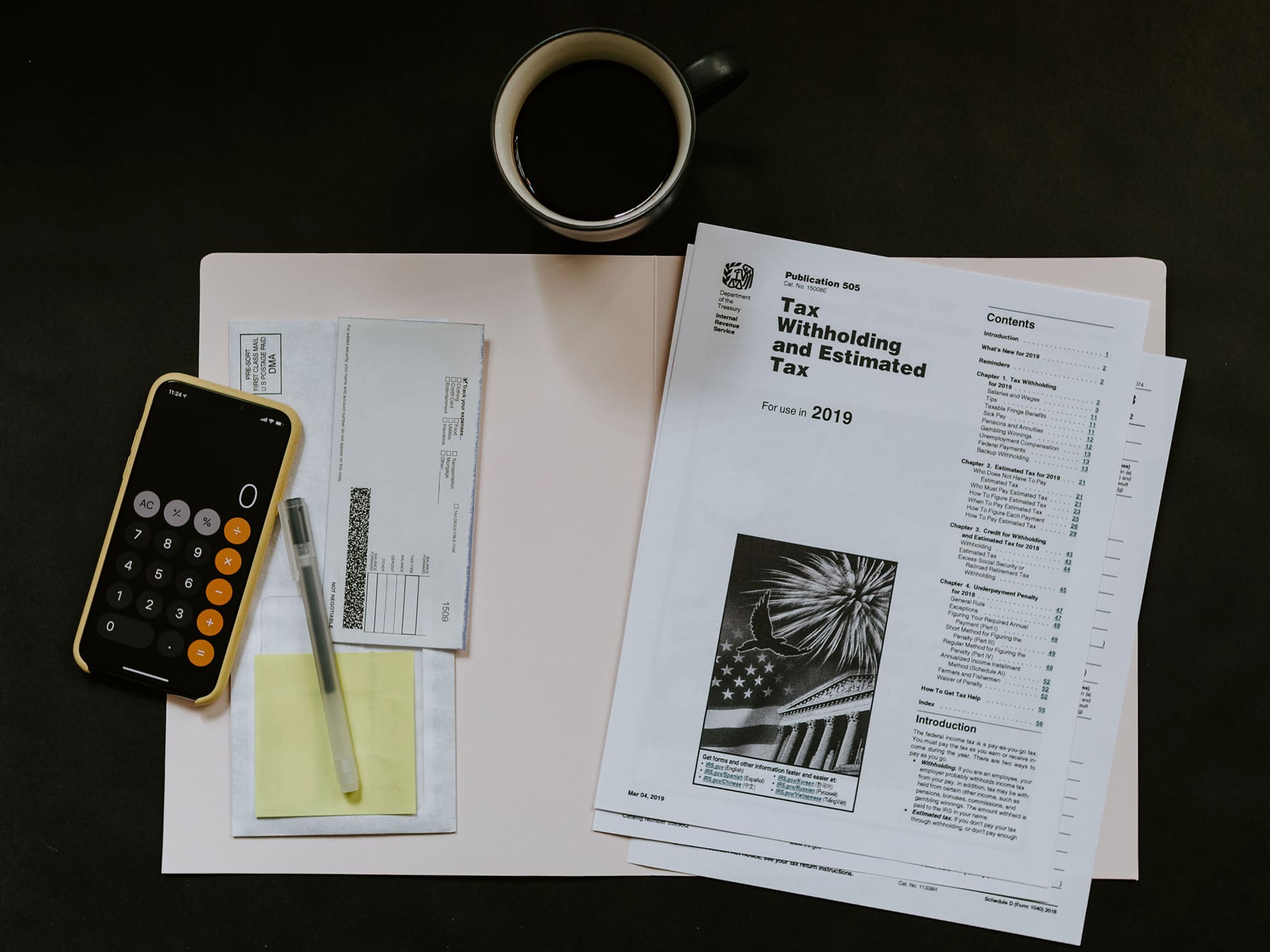

A photograph that exists in most British families from the 1970s, even if nobody quite knows where it's gone. The photograph is of a kitchen table with a wages envelope, brown and printed, next to a cup of tea. The father or grandfather of the family in the photograph is counting out notes before putting piles aside – this for the rent, this for the shopping, this carefully folded into the jam jar at the back of the cupboard.
That is not nostalgia. That is a complete financial system.
The Building Society Was Open on Saturday for a Reason
This was the ordinary way of financial life in 1970s Britain – in person, on foot, at a counter, with a human being on the other side. So your mortgage would have been with a building society. You would have handed in your passbook and watched as the balance was updated by hand. Any savings you had would have been at the Post Office, updated in the same way. If you needed something large and couldn’t afford it, you’d have gone to the Co-op and signed up for hire purchase – signing a form, shaking a hand, paying in instalments. And everyone understood exactly what had happened and exactly what you owed.

The passbook was interesting too. As a record it was a relationship too. You went in. There someone knew you. You left with a small booklet that told you, in proper handwriting, where you stood. It felt trustworthy not because it was sophisticated but because it was legible – you could hold the evidence of your own finances in your hand and read every line of it without logging in anywhere.
The Invisible Infrastructure That Replaced the Counter
The counter started to disappear gradually and then all at once, cash became a habit rather than a given. Your passbook became a statement, then a PDF and then a dashboard. Getting credit was no longer about someone who had met you and decided you were good for it. Instead, it was an algorithm that read a file that you'd never seen, built from data you didn't know existed. The verdict was rendered in seconds with no particular interest in your jam jar arrangements.
This is genuinely remarkable when you think about it. Modern algorithmic lending can judge your creditworthiness faster than it took your grandfather to walk to the building society. Real-time data means you can watch your balance change the moment a payment clears. Budgeting apps know, sometimes before you do, that your spending is drifting – on every measurable axis, the infrastructure got better.
And despite all the data on the dashboard – the clean, colour-coded, endlessly refreshing dashboard – it's not quite as trustworthy as a passbook. All this information, moving so fast, makes your own finances feel like weather, rather than something you can control.
What the Jam Jar Knew That the App Doesn't
The envelope system, the passbook and the Co-op hire purchase form had one quality that is genuinely hard to replicate in an app: friction. They are all inconvenient, slow and physical. And that inconvenience was doing important work. When you have money divided into physical piles, you make decisions with your hands. The limit of the rent pile isn’t a notification – it’s an empty envelope. You can’t overspend it without literally taking the money out of it, and it’s only when you pick it up and put it somewhere else that you notice what you were doing.
Apps know this. Quite a few of them have tried to re-create the envelope system in digital form, such as separate pots, colour-coded categories, and progress bars. They were trying to re-create the original logic of the envelope system because it is so sound. The jam jar is not primitive. It is a very clean piece of interface design.
You Haven't Gained a Better Relationship With Money. You've Gained Better Data.
That's the honest distinction. Data and relationship are not the same thing. A counter gives you a relationship – it's face-to-face, slightly formal and so you think about money with roughly the same seriousness you think about anything that involves another person watching you. A dashboard gives you data – it's more accurate, but less felt.
Neither era had the full answer. The 1970s model of credit excluded enormous numbers of people and was slow. Women in particular had a remarkably thin slice of financial independence in the 1970s. The modern model opened all of that up. But, if you can see exactly what you spend and still feel faintly baffled by your finances, then try this: fish out a notebook and write the numbers down by hand. Just once. See if that feels different.
It usually does.
FAQ
Why did the envelope system work better than a budgeting app?
The envelope system worked because it added friction to the spending process. Money was split into physical piles and so you made decisions with your hands as to how you were spending your money. The limit of a rent envelope was an empty envelope. You could not overspend without taking cash out and noticing. Many apps now have a separate pot for each category of spending with colours allocated to each and often a progress bar.
How did people manage their money in 1970s Britain?
Much of the financial part of life was conducted in person at a counter with a human being on the other side of it. Mortgages were written by building societies. People saved with the Post Office and had passbooks updated by hand. People made big purchases by buying them from the Co-op through hire purchase and then paid them off in instalments. People knew what they owed.
How has getting credit changed since the building society counter?
In a world of immediate credit decisions made by algorithms that don’t know you, the decision is made in a split second by reading a file that you have never seen before, containing data that you may not even know exists. Such is modern lending, which makes a decision on your creditworthiness faster than your grandfather could have walked to the building society.
Was credit better in the 1970s than it is today?
Neither system got it exactly right. The old system was slow and excluded many from credit. In particular, women had little financial independence in the 1970s. The better data used in modern credit decisions has opened up credit to women and many others, but better data does not equal a better relationship with money, and that can still be perplexing.