



For most of recorded history, moving money meant moving something. A coin in a leather pouch. A written promise on paper. A ledger entry copied by hand from one book into another. Even after the railways came and made all of this considerably faster, the basic requirement stayed the same: proof that a payment had happened needed to travel, physically, from one place to another, carried by something or someone you trusted not to drop it in the river.
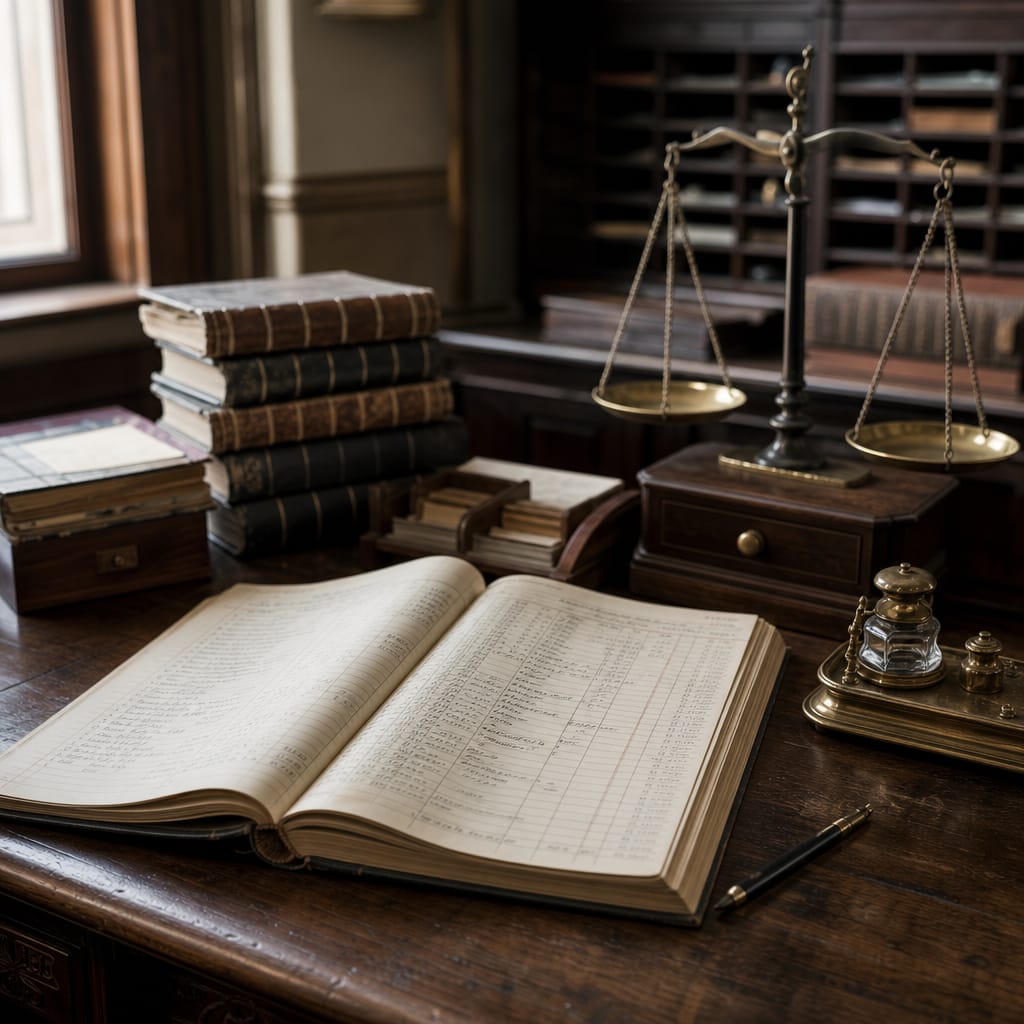
The Victorian clearing house is the best example of just how literal this was. Banks in the same city would collect the day's cheques – each one a small paper claim on someone else's money – and physically deliver them to a central building where clerks from every bank sat together at long tables and compared notes. The numbers were matched by hand, the net differences calculated, and only then could anyone say with confidence that money had moved. The whole system depended on that room, those clerks, and the assumption that paper delivered in person was harder to fake than a claim sent by letter.
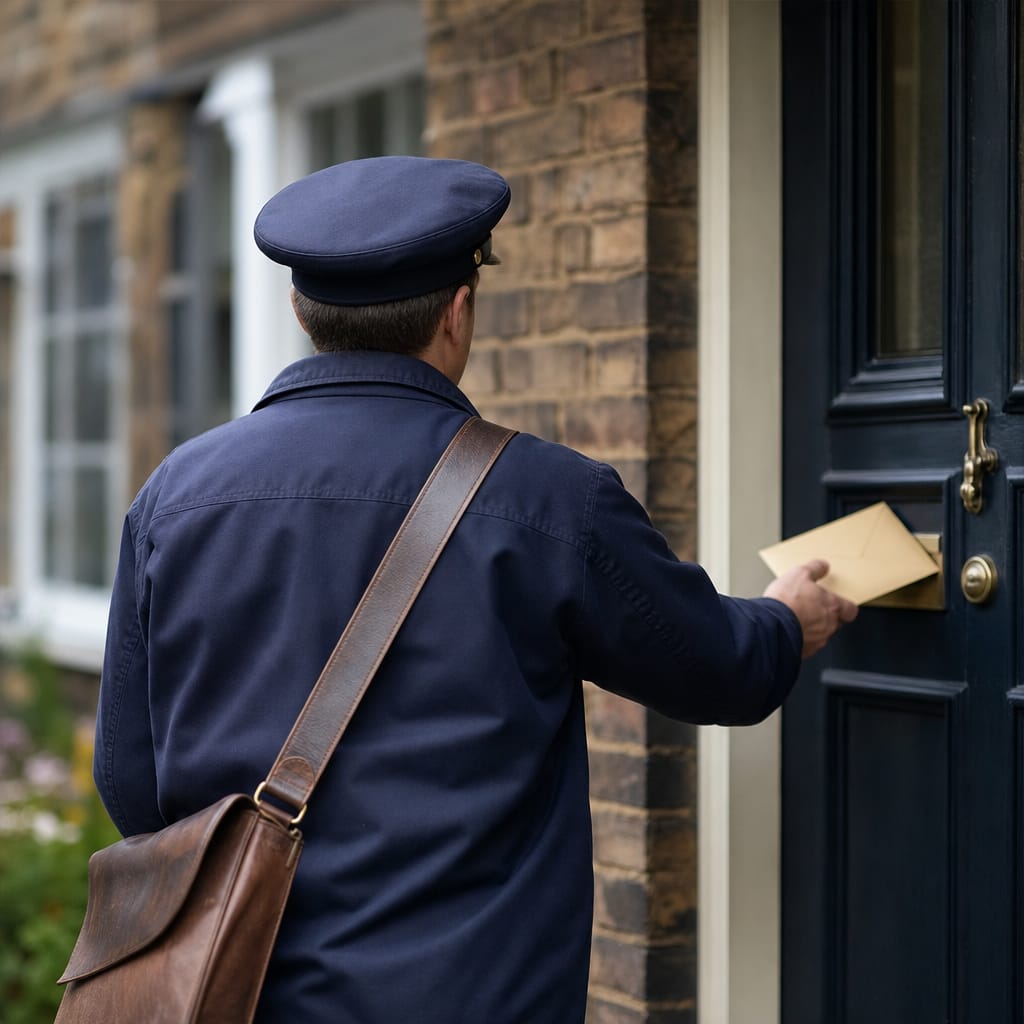
This ran, with variations, from roughly the 1770s all the way through to the digital age. Electronic transfers replaced the paper, but the underlying logic held. Even in the 1990s, a settlement between banks still involved a central authority – in the UK, the Bank of England sitting at the middle – confirming that both sides of a transaction were square. The clearing house moved from a building to a computer. But it was still there, still doing the thing the postman used to do: acting as the trusted physical middleman.
What Happens When You Remove the Room
Bitcoin's whitepaper, published in 2008, opened with a fairly dry observation: online payments always required a financial institution to process them, and that this created a dependency that couldn't be engineered away – only worked around. The proposal that followed was, at its core, an attempt to replace the clearing house with something that needed no building, no clerks, and no central trusted party at all.
The specific problem was this. If two people want to exchange value digitally, with no middleman, how does either of them prove the transaction happened? Without someone physically carrying the record from A to B, what stops the sender claiming they never sent it, or sending the same coin twice? This is called the double-spend problem, and every digital payment system before Bitcoin solved it by routing everything through a central authority – which brought you straight back to needing a clearing house of some kind.
What Bitcoin invented to solve this was the consensus mechanism. Instead of one trusted room confirming transactions, it distributes that job across thousands of computers simultaneously. Each of those computers races to verify a block of recent transactions by solving a computationally expensive puzzle (this is the "mining" you've heard about). The winner broadcasts the result to the network, the others check it independently, and if enough of them agree, the block is sealed and added to a shared record that nobody controls. The majority agreement of thousands of unrelated machines does the job the Victorian clerk used to do – except there's no clerk, no room, and nothing being carried anywhere.
The Thing That Replaced the Postman
Genuinely strange engineering, when you think about it. The trust that made the old system work came from physicality – a cheque you could hold, a building you could walk into, a signature from a person who could be identified. Bitcoin's trust comes from the opposite: from the fact that faking it would require controlling more than half the computing power on the entire network simultaneously, which is theoretically possible in the same sense that a large enough wind is theoretically possible.
For a UK reader thinking about buying crypto for the first time, this is the bit that's actually worth understanding before any of the other stuff. When you buy Bitcoin and send it somewhere, what settles that transaction isn't a bank confirming it. It's the accumulated agreement of tens of thousands of computers around the world that your transaction happened and that it's recorded permanently. That's why it takes minutes rather than the near-instant feel of a card payment – the network is building consensus, block by block, the way the Victorian clerks built it table by table.
The whole system was, from the beginning, not a faster version of existing finance. It was a replacement for the physical act of carrying proof.
FAQ
What is the double-spend problem in Bitcoin?
The double-spend problem is how someone could try to spend the same digital coin twice, or claim they never sent it. Because there is no middleman carrying the record, it is hard to prove that a transaction has happened. All digital payment systems before Bitcoin had used a middleman to solve this problem and route payments.
How does Bitcoin confirm a transaction without a bank?
Mining involves thousands of computers, instead of a single bank, racing to verify the same block of recent transactions. One computer finally solves a computationally intensive mathematical problem associated with that block and then broadcasts its results to all the other computers, which independently verify the new block. When enough computers agree, the new block of transactions is sealed and added to the shared record (which no one controls).
Why does a Bitcoin payment take minutes when a card payment feels instant?
Unlike traditional payment networks where a bank confirms a payment, a global network of tens of thousands of computers needs to agree that a transaction happened, and record it permanently, before it settles. That process of reaching an agreement takes minutes, and happens block by block, much as Victorian clerks built it table by table.
What did the Victorian clearing house do?
It was the clearing house, a central building where all the local banks would deliver their daily cheques. A team of clerks from each of the participating banks would sit at long tables, go through the cheques by hand and match the numbers. Then they would work out the net positions of each bank, and only then could anyone say with confidence that money had moved. It was the basis of money movement, with variations, from roughly the 1770s until replaced by digital systems.