


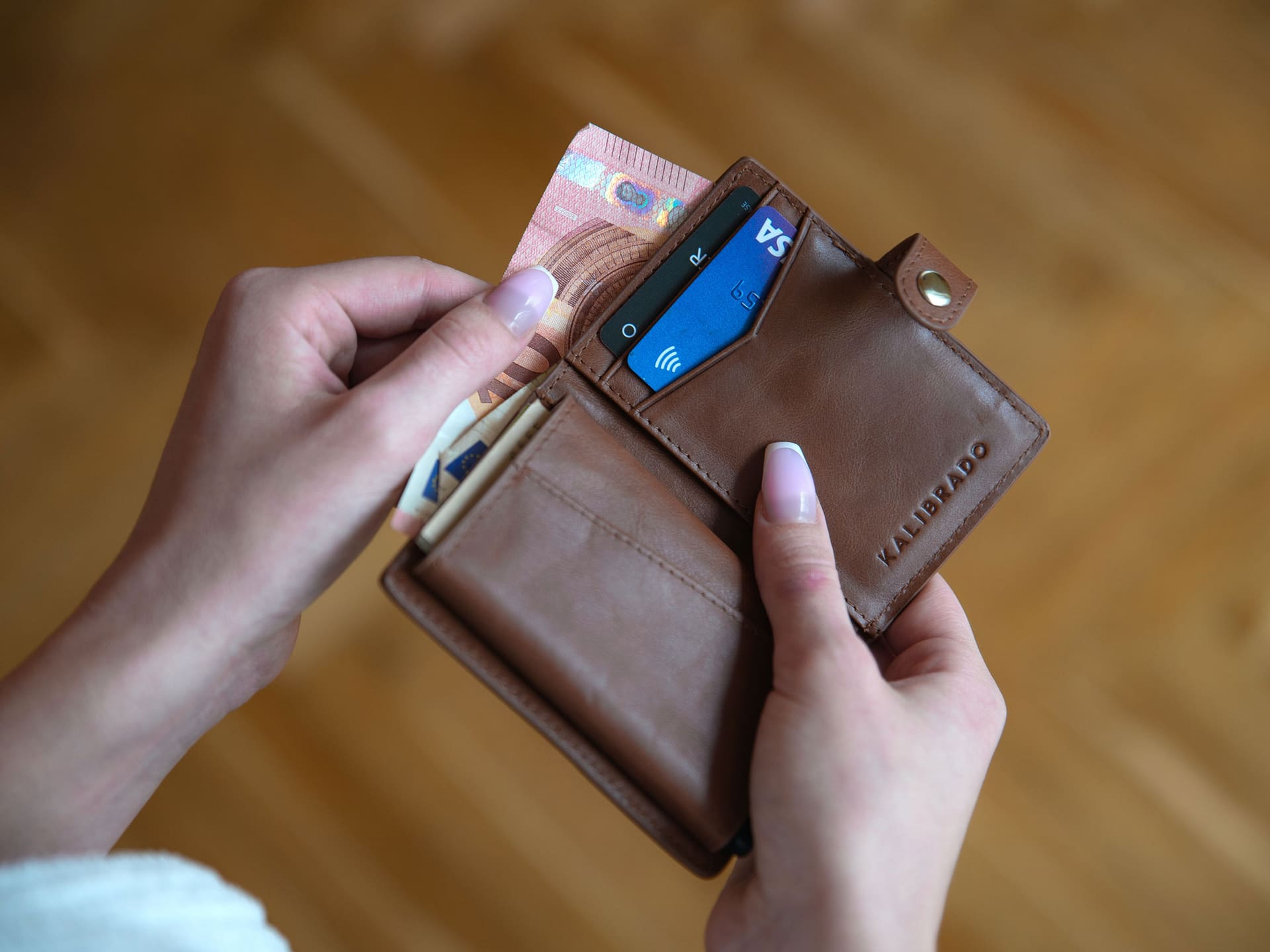
Most prices are fixed before you arrive. The coffee is £4.50. The price of the train ticket will be whatever eye-watering figure the algorithm decided at 6am. You pay it or you don't. But then there is the tip, that little voluntary extra which you tap in on a card reader or fish out of your wallet while the waiter pretends not to watch. It is a genuinely odd price in the modern economy in that you set the price yourself in the moment. You are under mild social duress, with no contract attached and no consequences if you walk away without paying it at all.
Which is exactly why economists love it. Because when people are free to pay whatever they like, what they actually choose to pay becomes unusually revealing.
The Crash as a Natural Experiment
As researchers tracked tipping in restaurants during the 2008 financial crisis, they noticed something that didn't quite fit the obvious story. You'd expect tipping to fall in step with disposable income, but what actually happened was messier and far more interesting.
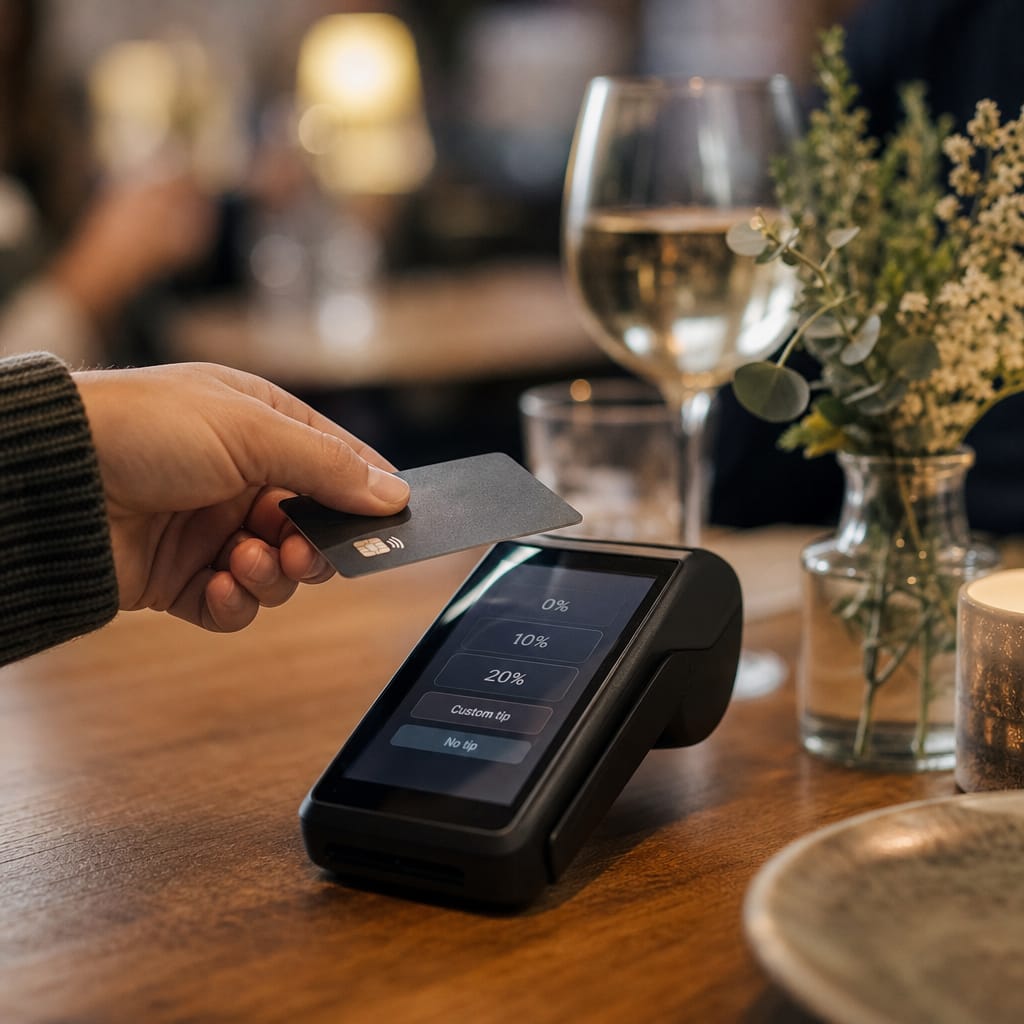
On the top end of restaurants — fine dining, the white tablecloth kind of place where the bill for two crosses three figures before dessert is ordered — tip rates held up. On the bottom end, the greasy spoon, the cheap curry house and the pizza-by-the-slice counter, they held up too, in their way. People eating there were often tipping out of genuine habit or genuine warmth for someone doing a hard job for not much money.
And then there’s the middle, where tip rates fell sharply and fast: mid-range restaurants, neighbourhood bistros, Italian chain restaurants, and gastropubs. At these places, tipping is clearly expected but not quite mandatory. Sometimes the service charge is on the bill, sometimes not. Nobody is going to quietly judge you for being a financial journalist and ordering the house red.
Where the Guilt Lives
Places where tipping fell hardest are not places where customers are struggling most financially. Rather, they are places where tipping is most socially optional – where if you needed to quietly stop, you could. The guilt was manageable.
In 2022, the cost-of-living squeeze (when energy bills doubled and inflation ran at its fastest rate in decades) produced a strikingly similar pattern in gratuity income. In the mid-range hospitality market the hit was disproportionate, while at the cheaper end of the market tipping a couple of quid feels like solidarity rather than etiquette, and was relatively protected.
So there are at least three completely different motivations running simultaneously inside the same gesture. There’s genuine generosity. They liked the person, the food was great, and they wanted to say so with their wallet. Then there’s social performance. On a date, or with colleagues, they want to look like the kind of person who tips well. And then there’s guilt. More than we’d like to admit, maybe. Guilt, it turns out, is quite price-sensitive.
The Precise Social Tier of Financial Shame
The generous tip still survives when money is tight, because it comes from somewhere real. The performative tip still survives, because the audience is watching. You’re still on a date, or at the work dinner. The guilt tip is the one that quietly disappears. Guilt is an emotion you can negotiate with yourself when no one is looking, and the financial pressure is real enough to justify it.
The sweet spot for this third category of restaurants is mid-range, ie. they are aspirational enough that tipping feels expected but not so formal that skipping feels like a genuine social transgression. It is here that financial shame becomes manageable shame, and it is here that, as household budgets tighten, people give themselves permission to stop.
Researchers at places like the Cornell Center for Hospitality Research have published extensively on how tip amounts vary with everything from weather to server name to whether the bill arrives with a small sweet.
What You're Doing When You Tap That Screen
Tipping does not have to be cynical. Most of the time, people are doing something genuine when they add 12.5% or round up to a number that feels right. The fact that it is voluntary is what makes it such a clean window into social behaviour under pressure. Every other price in the economy is insulated from your mood, your embarrassment, your sense of which social tier you're performing that evening.
The tip isn't. It's just you, a card reader and a number you have to choose while someone else waits.
FAQ
Why do economists find tipping so revealing?
Tipping is interesting to economists because it is a price that people can set themselves in the moment without any contract or consequences for paying nothing. So the amount that people do pay gives us insight into how people behave under social pressure and even what makes them embarrassed or guilty.
Which restaurants saw tips fall most in the 2008 financial crisis?
Restaurant tip rates for mid-range restaurants fell sharply during the 2008 financial crisis: whilst high-end restaurants and low-end counters held up better, mid-range restaurants (which are generally expected to be tipped but where the loss of a tip causes little social distress) such as neighbourhood bistros, Italian chain restaurants and gastropubs saw sharp falls.
What are the main reasons people leave a tip?
There are three types of tips. There are tips given through generosity, tips given through social performance, and tips given through guilt. The guilt tip quietly disappears when funds become low.
Did tipping fall during the 2022 cost-of-living squeeze?
The 2022 cost-of-living squeeze produced a similar pattern: mid-range restaurants and bars experienced a disproportionate decline in tip income, yet tipping at cheaper establishments was relatively protected. Money left on tables at affordable restaurants held up because it is given as solidarity rather than as etiquette. Energy bills had doubled and inflation was at its highest for decades.