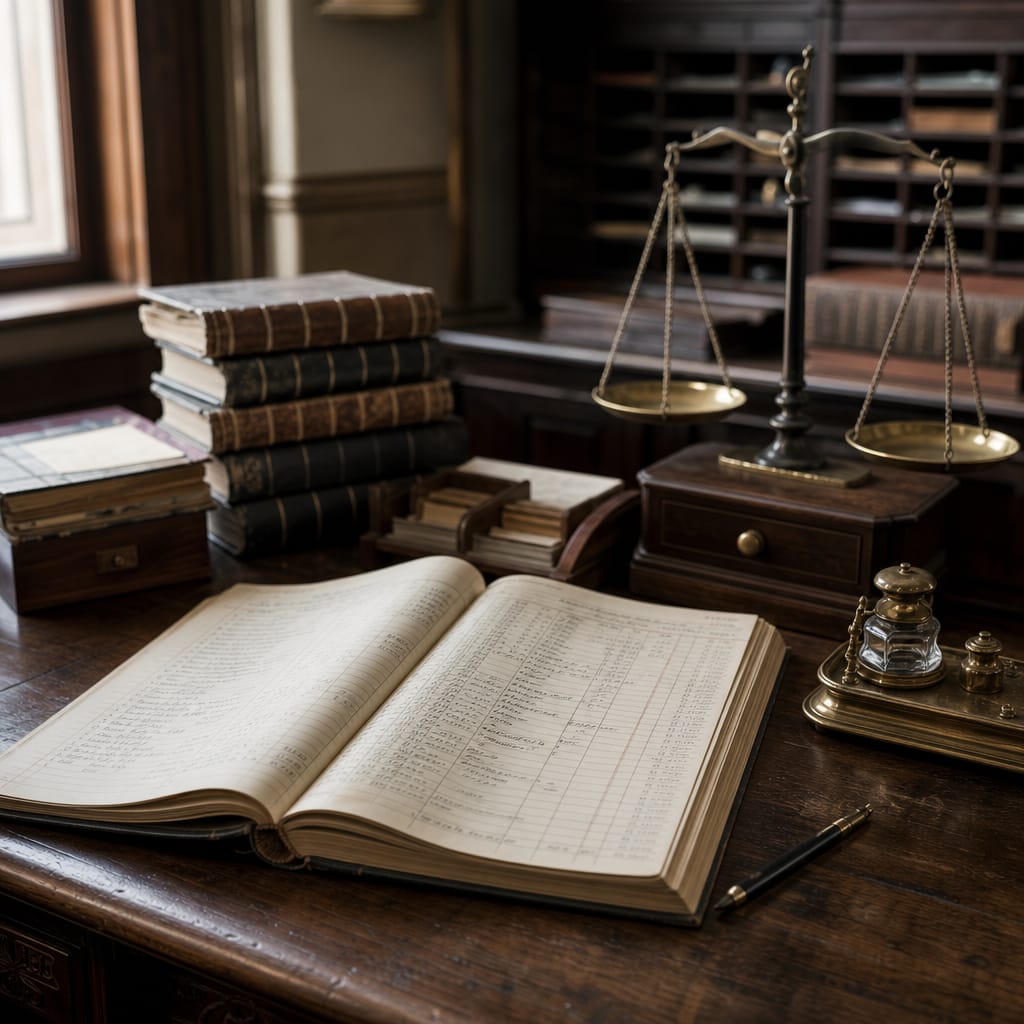





A woman was having breakfast alone in a guesthouse in Sidmouth in the 1960s, for the first time in thirty-seven years. She had chosen the scrambled eggs without asking anyone, and picked a table by the window. Possibly for the first time since her honeymoon, she decided entirely by herself where she was going to be that week. The owner of the guesthouse had seen this before. She knew not to fuss.
For most of the twentieth century the widow's holiday was so common, so quietly understood, that certain British seaside towns had built themselves almost entirely around it.
The Resorts That Set a Single Place at Every Table
Eastbourne, Sidmouth, Llandudno, Harrogate, Buxton. These weren't just places with nice air and decent cliff walks – they were places that had, over decades, developed an entire social grammar for recently bereaved women travelling alone. Guesthouses advertised, in the most indirect possible way, that they knew the score. Single rooms were not an afterthought squeezed behind the boiler. Dining rooms arranged their single tables at the window, not in the corner by the kitchen door. Excursion coaches left at ten past nine and knew, without being told, that some of their passengers hadn't chosen an outing independently since before the war.
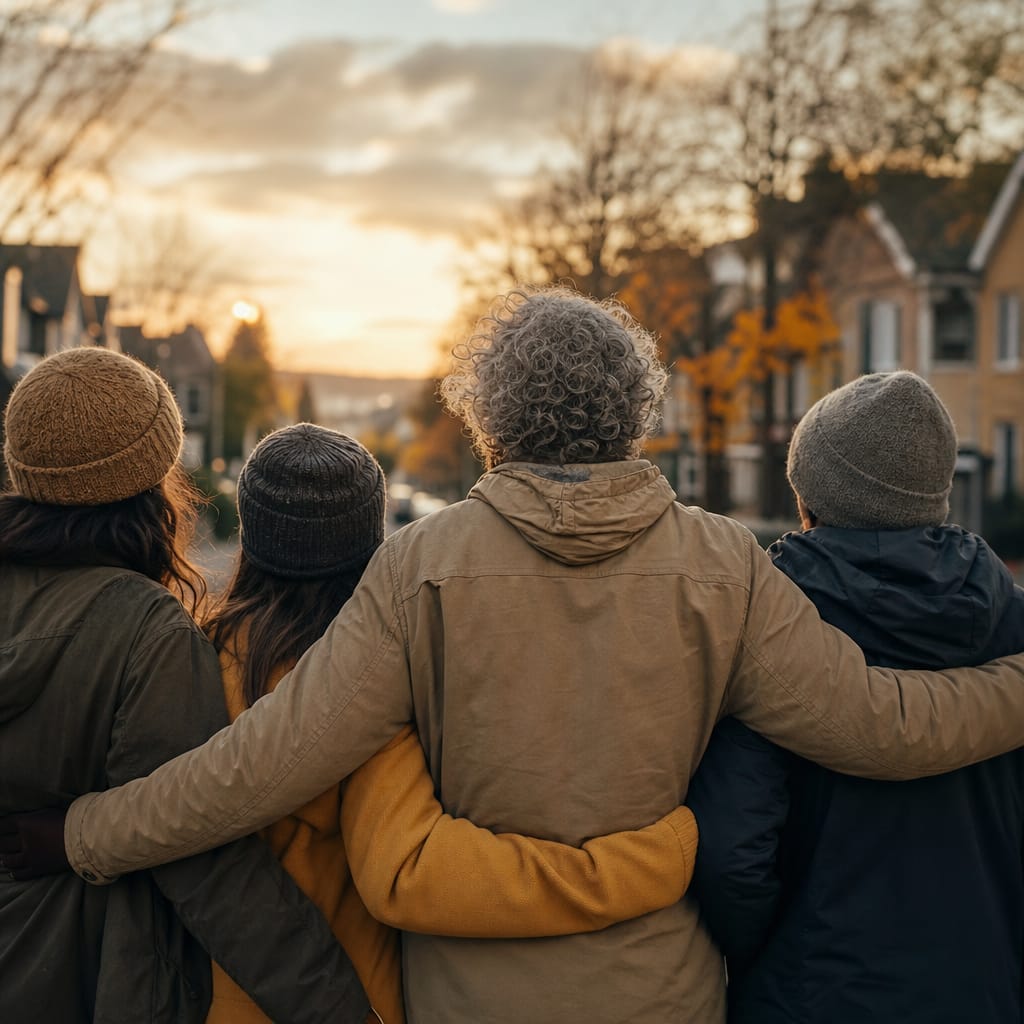
The etiquette ran deep. Fellow guests understood that you didn't press a woman for her story on day one. You passed the marmalade. You mentioned the weather. By day three, if she wanted to talk, you were there.
Why These Particular Places
The location of these towns was not random. Their gentle topography mattered when grief makes your legs feel odd. They have promenades built for slow walking and the kind of climate the British describe as “bracing” and actually mean “cold but not embarrassing about it”. Most importantly, these towns had a critical mass of women in the same situation, creating a self-reinforcing economy: the more single women came, the more the guesthouses adapted to them; and the more adapted the guesthouses were, the more single women heard about them by word of mouth.
Word of mouth was all there was. Widowhood came with an informal network – the same one that told you which doctor was kind and which solicitor wouldn't make you feel stupid. Somewhere in that network was the name of a guesthouse in Llandudno where the owner put a hot water bottle in your bed without making it weird.
What It Actually Meant to Choose
It's easy to sentimentalise this, and worth not doing. For many women the widow's holiday was the first time in adult life they had chosen a destination purely on their own terms. It wasn't a holiday to go where the children wanted to go. It wasn't a holiday to go somewhere within driving distance of his relatives. It wasn't the same caravan park for twenty consecutive Augusts because it was easier than arguing. Their own terms.
The first choice is famously the hardest. Which is probably why so many women chose somewhere they had heard about, somewhere with a reputation for understanding the situation, rather than striking out entirely alone into the unknown. The widow's holiday wasn't really about the destination at all. It was about practising the act of deciding.
Some women hated it. Some cried the whole coach trip to the abbey. Some came back the following year, then the year after, and eventually became the ones passing the marmalade to someone newer to it.
The Map That Isn't on Any Map
Standing back from the towns of the ‘widow’s circuit’, what you have is a geography of life stages. Britain has always had places attached to particular moments – the honeymoon hotel, the graduation city, the gap year beach. But the widow’s circuit was different because nobody planned it from above. No tourism board commissioned it. It just accumulated, the way useful things do, out of enough people needing the same thing in roughly the same place at roughly the same time.
Most of that circuit has dissolved now. The guesthouses are now holiday flats, the excursion coaches have retired and the dining room with the thoughtfully placed single tables has become a pizza restaurant. It is not so easy to name what has replaced it, partly as solo travel has become so normalised that there is no longer any need for its own infrastructure, which is largely a good thing.
But something was lost too. Not the grief, obviously. The towns just used to know what to do with it.
FAQ
What was the widow’s holiday?
The widow’s holiday was a journey made by a newly bereaved woman travelling alone. Many such journeys were taken by women in the 20th century, for many their first trip chosen entirely by themselves. Certain British seaside resorts catered particularly for such travellers.
Which British seaside towns were popular for widows’ holidays?
The towns featured were Eastbourne, Sidmouth, Llandudno, Harrogate and Buxton. These places had gentle areas to walk, promenades for slow strolls and invigorating air. There were also lots of other women in the same situation, so guesthouses adapted and were recommended by word of mouth.
How did guesthouses cater for widows travelling alone?
Solo guests in the guesthouses were treated with quiet understanding. They were given a proper single room and a table for one in the dining room situated by a window, rather than near the kitchen door. Owners and other guests allowed women to talk when they felt ready and offered things such as hot water bottles.
Why did the widow’s holiday circuit disappear?
The circuit faded when guesthouses were converted to holiday flats, the excursion coaches ceased to run and the dining rooms were taken over by other ventures including a pizza place. Though it is generally a good thing that solo travel has become so normal these days that it no longer requires any special infrastructure, something has been lost.