





Every summer, millions of people do the same thing. They open a comparison site, type in their dates, wince at the hotel prices, scroll down, and discover that a cottage with its own garden and a wood-burning stove is somehow fifty quid cheaper per night. Bargain found. Tabs closed. Holiday booked.
But the reason that cottage is cheaper probably has nothing to do with the owners being more efficient, more generous, or further from the sea. It's mostly to do with a tax quirk baked into UK law that nobody really talks about. And once you understand it, you'll never look at accommodation prices quite the same way.
The 20% Invisible Guest
When you book a hotel room, a serviced apartment, or a B&B – anything where someone is visibly providing you with a service, cleaning, reception desk, breakfast trolley – the business collecting your money is liable for VAT at the standard rate of 20%. That doesn't mean they slap 20% on top of what they'd otherwise charge. It means 20% of every pound they take goes straight back to HMRC before they've paid for anything: the linen, the staff, the boiler repair, the coffee sachets in the room.
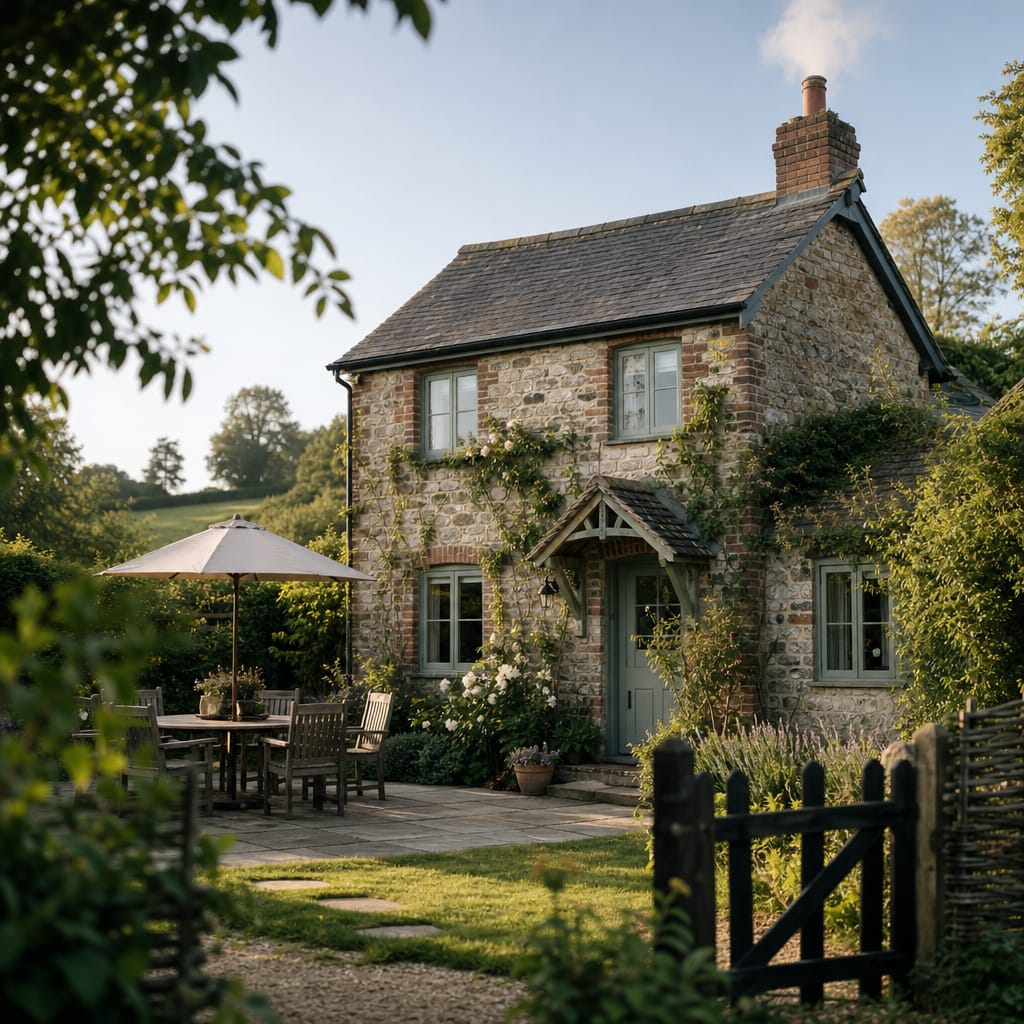
Holiday cottages and self-catering lets work differently. Rent a place where you're essentially just using someone's property without them actively serving you, and in most cases that rental income sits outside the standard VAT regime entirely. The HMRC view, roughly, is that you're renting a space rather than buying a service. The tax treatment is complicated in the edges, but the central fact is straightforward: a large chunk of the self-catering market operates without that 20% structural cost that hotels carry as a matter of course.
What That Does to a Price Comparison
This is where it gets interesting for anyone trying to find a genuinely cheap holiday.
When you line up a hotel at £120 a night against a cottage at £100 a night, you might assume the cottage is cheaper because it's smaller, remoter, or more basic. Sometimes that's true. But sometimes the hotel is simply absorbing a cost that the cottage never encounters – the hotel owner might be just as efficient, just as modestly priced, just as hungry for your booking, just doing it with one hand tied behind their back.
In other words, you are not always comparing like with like. You're comparing prices that have been shaped by two different tax regimes before they ever appeared on the screen in front of you.
A family-run hotel in the Lakes might have lower running costs per room than a managed holiday cottage portfolio with a marketing team and a 15% booking platform fee. But the hotel quote includes an embedded tax cost that the cottage quote, in many cases, simply doesn't. The "budget" label ends up reflecting accountancy as much as actual value.
Why This Matters When You're Actually Planning Something
None of this means cottages are a rip-off or that hotels are victims. What it means is that the gap between the two isn't purely a signal about quality or size or effort. Part of it is structural, and understanding that changes how you think about what's actually a deal.
If you're choosing a cottage because you like having a kitchen, a sofa, and nobody knocking on your door asking about breakfast, that's a completely legitimate reason. It might genuinely be cheaper in real terms even setting aside the tax point. But if you're choosing it purely because the number on the screen is lower, it's worth knowing that the number is lower partly for reasons that have nothing to do with the holiday itself.
Hotels – particularly smaller independent ones – sometimes look expensive on a comparison site and are offering something remarkably close in real cost once you strip out the tax asymmetry. Dinner, bed and breakfast packages can occasionally flip the equation entirely, because a hotel eating VAT on the room is also saving you the cost of three meals you'd otherwise be buying somewhere else.
The Bit the Comparison Sites Don't Show You
Comparison sites are brilliant at many things. Explaining the underlying tax treatment of different accommodation categories is not one of them. They will show you a number. What went into producing that number is another matter entirely.
So the next time a cottage comes up looking suspiciously good value against a nearby hotel, the question worth asking isn't "why is the hotel so expensive?" It's "what is each of these prices made of?" The answers are not the same, and the gap between them is a lot older and odder than you'd think.
FAQ
Why are holiday cottages cheaper than hotels in the UK?
The difference in price is in part explained by VAT – hotels, B&Bs and serviced apartments are taxed at the standard rate of VAT (20%) on the visible service provided by them. The majority of self-catering lets are treated as simple rentals of space and therefore are outside of VAT altogether. The difference in price between a cottage and a hotel is not necessarily a reflection of greater efficiency by the cottage owner.
Do hotels have to charge VAT on rooms?
In general, businesses providing services such as cleaning, front of house, breakfast etc. will charge VAT at the standard rate of 20%. This does not mean that 20% is added to the price of a service, rather that a fifth of every pound they take will go to HMRC before they can spend it on things like linen, staff and repairs.
Is a cheaper cottage always better value than a hotel?
Not always. While tax has been taken out of the lower online price, the difference is not entirely down to quality, size or amount of effort put in. A cottage with kitchen and sofa can still cost less than a small independent hotel. But a small independent hotel may be closer in real cost than it looks once tax has been accounted for.
Can a dinner, bed and breakfast package beat a cottage on cost?
Sometimes. A dinner, bed and breakfast package can make the comparison site price appear more expensive than an equivalent self-catering property. However, when you factor in the cost of the three meals covered by the hotel’s dinner, bed and breakfast price, the hotel may offer similar value to a self-catering property, particularly smaller independent hotels.