


Sometime in the 1660s, a young English aristocrat would have been sent to the Continent by his father with a sheaf of letters of introduction and a bill of exchange on a merchant banking house in Amsterdam. That was it. No hotel booking confirmation, no travel insurance policy, no app. Just his father's handwriting, the banker's promise, and the reasonable expectation that the right people would look after him if he showed up with the right documents.
The Grand Tour lasted for two centuries or so and produced half the art collections in English country houses, the collected works of Byron and a template for luxury travel so durable that we are still running on it now. We have simply changed what the paper looks like.
The Letter That Became a Relationship
An introduction letter was not a courtesy. It was load-bearing. Such a letter from a father to a local merchant or to a British consul in Florence would get a young traveller met, guided, fed, and introduced to the right people. He would be quietly warned away from the wrong ones. The letter said, in effect: vouch for this person. And the local contact would have one on his desk from a different family come Easter.

We can call this a ‘concierge relationship’, as is the case with the good hotels in Geneva or in Lisbon that will get you a table at the restaurant with a three-month waiting list. What seems like magic is simply a matter of calling in credit carefully accumulated through years of mutual obligation. The five-star concierge and the eighteenth-century Florentine merchant are doing the same job, just less obviously on paper now.
The Bill of Exchange That Became Plastic
A bill of exchange is genuinely elegant once you understand it. The traveller would deposit money with a London merchant before leaving, and the merchant would then write a document saying, in essence, “Pay the bearer of this note the equivalent sum in florins, and I will settle it with your Amsterdam counterpart when they present the bill back to me.” No cash crossed borders. The credit travelled on reputation and relationship and would be settled later between houses that trusted each other.
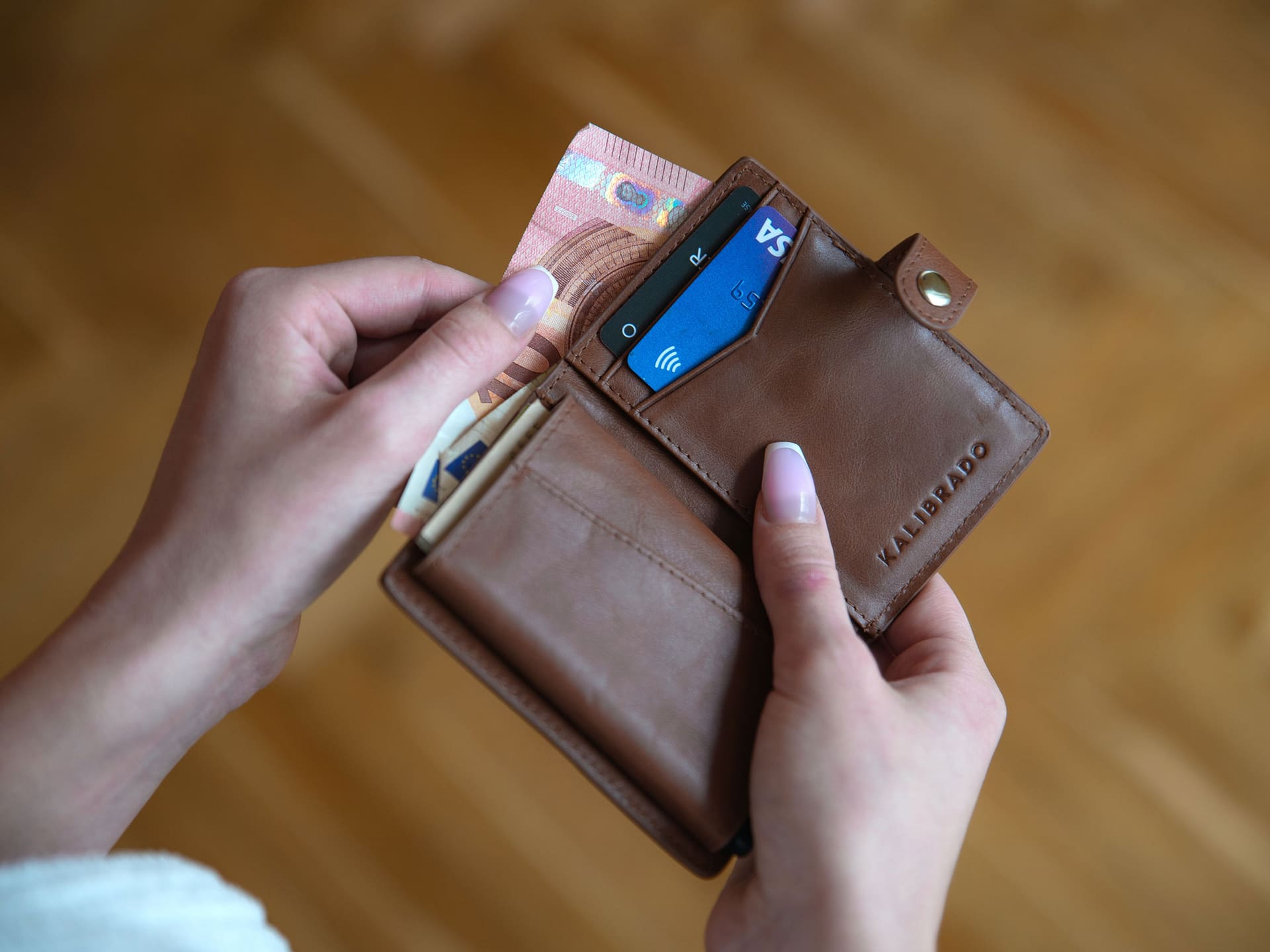
A platinum card is a bill of exchange. Here the middlemen are made invisible and the trust is replaced by Visa's liability guarantee. It even replicates the old system's status signal. The original bills were only available to people whose fathers the London merchant already knew, and the same is true of the metal card: access follows creditworthiness, which follows class, which follows money – same machine, different casing.
What the Vademecum Knew That TripAdvisor Doesn't
A vademecum (‘go with me’ in Latin) was a printed pocket guide to a particular route or city which was sold to the Grand Tourist before he left London. The better guides did not just list sights. They told you which inn on the road to Rome had bedbugs; which local guide was honest and which was a scoundrel working for the antique forger around the corner; and what the correct price for a gondola ought to be so that you were not robbed in broad daylight.
The review platform does all of this. It also does something the vademecum could not: let the scoundrel buy his way back in with a hundred fake entries. The reputation of the eighteenth-century printer depended on his vademecum across multiple editions. Anonymous reviewers have no skin in the game at all, and the old system, slower and more elitist as it was, was simply harder to game. What got quietly lost in translation for the luxury travel space as a whole was the shift from curated expert knowledge to democratised crowd opinion: an odd swap – more access, less reliability.
The Journal That Went Public
Every Grand Tourist was expected to keep a journal. Their private record was at the same time half-intended for an audience. These accounts of travels were circulated among friends on the tourist's return, and occasionally published, always performing a version of the writer's taste and sensibility back at the people whose opinion mattered to them. A record of where you went, what you learned, and how seriously you took it.
Which is more or less exactly what the luxury travel Instagram account is: the same performance of taste, the same social function. The difference is that the audience got bigger and the journal got shorter. The beautiful painting you stood in front of for forty minutes now fits inside a phone.
The infrastructure shifted. The underlying mechanics stayed put. The Grand Tour just got a software update every fifty years or so, and forgot to mention it.
FAQ
What was the Grand Tour?
The Grand Tour of the Continent by English aristocrats from the 1660s onwards, lasting for some two centuries, was a long journey. Many of the young men travelled with letters of introduction and with financial paperwork, setting up many of the country house art collections of later years and laying the basis for much of the luxury travel industry today.
How did a bill of exchange work for Grand Tourists?
The traveller would first deposit money with a London merchant, who would then write a letter instructing the payment of an equivalent sum in florins when the traveller arrived abroad. The merchant would later settle with a trusted counterpart in Amsterdam. No actual money was ever sent across borders, as the credit travelled on reputation and the good relationship between the two houses.
How is a platinum card similar to a bill of exchange?
A platinum card acts as a bill of exchange enabling travellers to pay abroad on credit. The parties in between are not visible and the traveller relies on Visa’s liability guarantee instead of the other party’s credibility. However, access to such cards is granted based on creditworthiness, i.e. based on class and money, thus the status signal is just re-packaged.
What was a vademecum and how does it compare with TripAdvisor?
The vademecum (Latin for ‘go with me’) was a printed pocket guide to a route or city that the traveller could purchase in London before he set off. Some were better than others at flagging inns with bedbugs and dishonest guides. Reviewing sites are now more accessible but are more easily manipulated by fake entries. As a result, reliability has arguably decreased.