




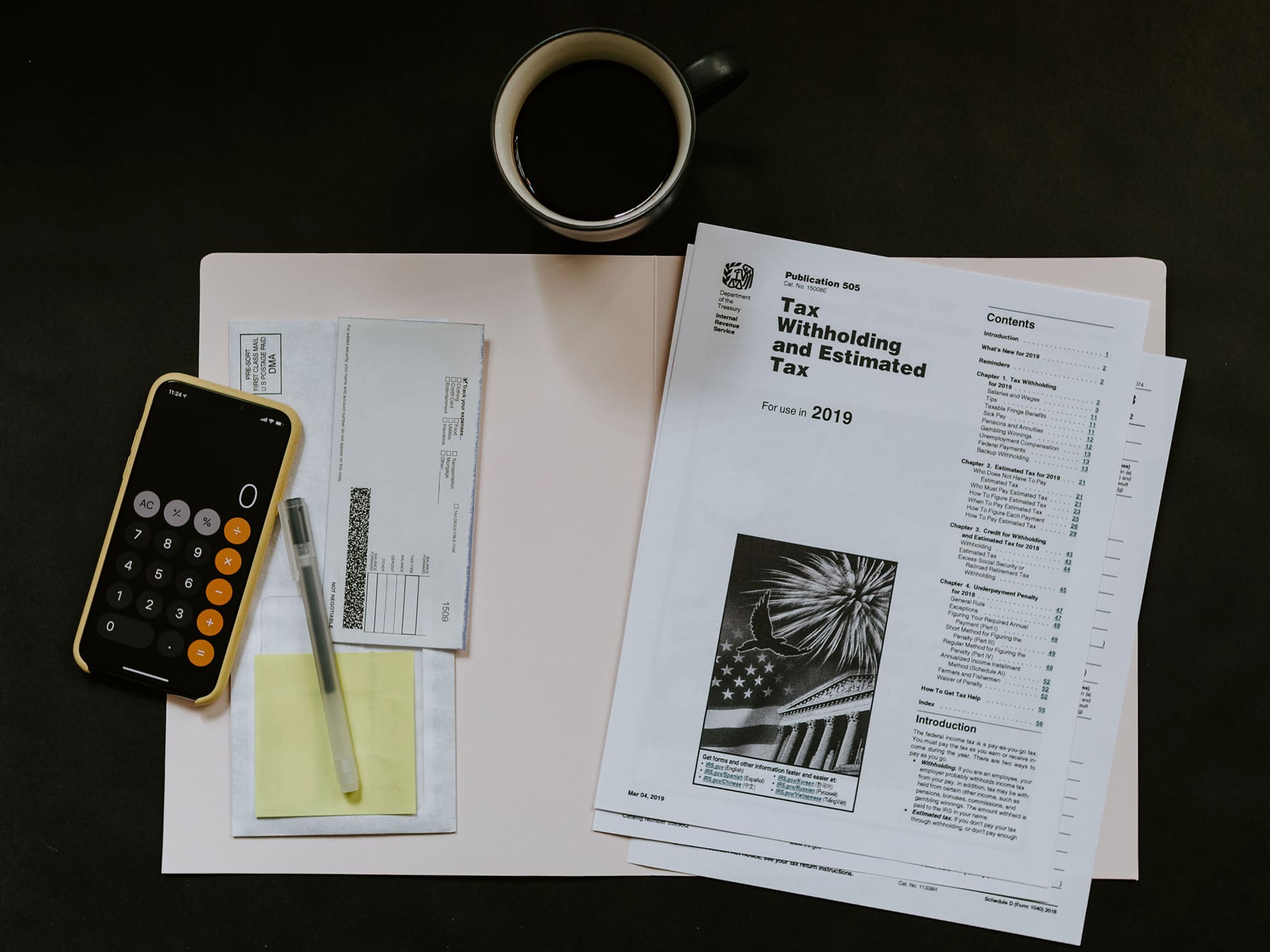

Personal finance quietly appeared in the English national curriculum for the first time in 2014, and politicians were fairly pleased with themselves. It would teach school children about budgets, interest rates and saving – the basics of not ending up completely done over by a payday lender at twenty-three. It was framed, as these announcements tend to be, as a new idea. A gap being filled.
Except that the gap about to be filled was forty years old or so. It was not a gap. It was an eviction.
The Guild Halls Were Already Doing It
Back in the 1870s in the mill towns, mining villages and terraced streets of industrial Britain, a parallel education system was quietly running. The actual shops of the Co-operative Movement (not the bank with the rather tired logo) had built something rather remarkable alongside its grocery counters: a network of meeting rooms, reading rooms and adult education classes that taught working people exactly the financial skills the grammar schools never thought they needed.
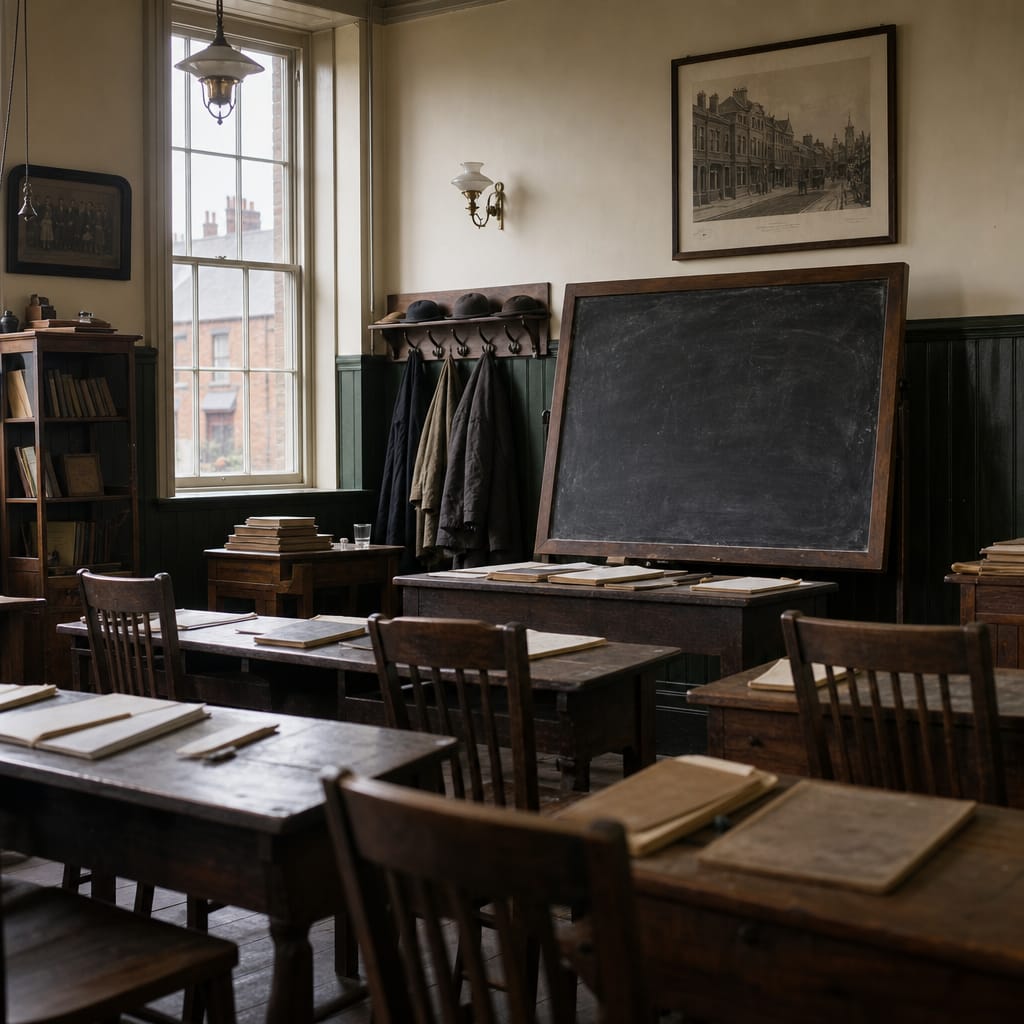
Not in a vague, inspirational way. In a practical, this-is-how-money-actually-works way.
They learned how the dividend system worked and how their ‘divi’ worked – a share of profits returned to them based on how much they’d spent – essentially a forced savings scheme with a receipt. They learned household budgeting in classes that ran alongside lectures on history and science. Women, who were largely locked out of formal education and frequently locked out of their own family’s finances, were specifically included. The Co-op’s Women’s Guild, founded in 1883, ran financial workshops decades before women could open a bank account in their own name without a husband’s permission.
This wasn't charity. It was philosophy. The whole Co-operative idea rested on the belief that working-class people, given proper information, would make sound decisions – which was a fairly radical position in Victorian Britain, where the assumption ran precisely the other way.
What They Actually Taught You
Most of the content would look familiar today – how to read a balance sheet. The Co-op published its accounts and expected members to understand them. How to weigh up credit, and how a collective purchasing system can give you the same buying power as someone much wealthier. Households could plan their spending across a whole quarter, not just to Friday.
Different mechanics – nobody was explaining ISA allowances in 1904 – but the underlying numeracy, the habit of treating money as something you could think about rather than simply react to, was exactly what every modern financial literacy advocate says we're missing.
And this ran for a century. In different forms, with varying intensity, but continuously. Co-operative colleges, workers' education associations, mutual aid societies: a whole informal infrastructure that treated financial knowledge as a right rather than a privilege.
The Quiet Collapse
But from roughly the 1970s onwards the infrastructure began to dissolve. Not dramatically. No single moment you could point to. Co-op stores were absorbed into larger retail structures or simply closed. Workers’ education classes were defunded as adult education budgets shrank. Mutual aid societies dwindled as the welfare state expanded and people stopped needing to organise their own safety nets quite so urgently. The guild halls found other uses or were knocked down.
The informal system that had housed financial education for a century just stopped having anywhere to live.
Financial literacy had always existed in an informal way, outside schools, outside universities, invisible to those who compile national curricula. So when it vanished, it vanished without anyone officially noticing. No headline said "financial literacy programme ends." Just a gradual silence where the knowledge used to be.
In the early 2000s, politicians looked around and decided British adults were worryingly bad with money. Their diagnosis of the problem was ignorance – a deficit. Something that had never quite existed. What they were looking at was the result of an eviction, and they were calling it an empty house.
The Thing the 2014 Curriculum Quietly Skipped
Finally, personal finance is taught in schools as a modest component of citizenship education for secondary school pupils. This is better than nothing, but what came before it, why it stopped, who taught it for the previous hundred years and in whose interests it was that they stopped is not acknowledged in any of this.
The institutions of the working class that once ran this aren't coming back in their original form, but it matters to know that they existed. That the people who attended meetings of the Co-op were not financially naive. They were attending the class.
FAQ
When did personal finance enter the national curriculum in England?
Personal finance was introduced to the English national curriculum in 2014. Initially presented as a new idea with the aim of teaching pupils about budgets, interest rates and saving, it is now taught as a small part of the secondary school citizenship curriculum, which is better than nothing but overlooks the earlier Co-operative tradition.
What financial skills did the Co-operative Movement teach?
The Co-operative Movement taught working people how to manage their finances, e.g. how the dividend (‘divi’) worked, how to read a balance sheet, how to compare credit terms and plan domestic expenditure for a quarter. They also learned about the advantages of collective purchasing, and how a group could match the buying power of wealthier shoppers.
Why did informal financial education disappear in Britain?
The informal system gradually disintegrated from around the 1970s on. Individual co-op shops were taken over by larger retail companies or closed, and workers’ education classes were starved of funding as adult education budgets shrank. In the meantime, mutual aid societies gradually withered as the state stepped in to provide welfare. The buildings of the Guilds were turned over to other uses, and others were pulled down.
What was the Co-op Women’s Guild?
The Co-op’s Women’s Guild, founded in 1883, ran financial education classes for women. These classes were held decades before women could open bank accounts in their own name without a husband’s permission, and filled a real gap. Often women had little formal education and were shut out of finances within their own homes.